 Midnight Outpost
· Midnight Outpost Team · Devlog · 3 min read
Devlog #8 — The Village Zone
A settlement stands further out than you've ventured before. The Village Zone brings explorable buildings, lootable interiors, and a trader willing to do business if you have the coin.
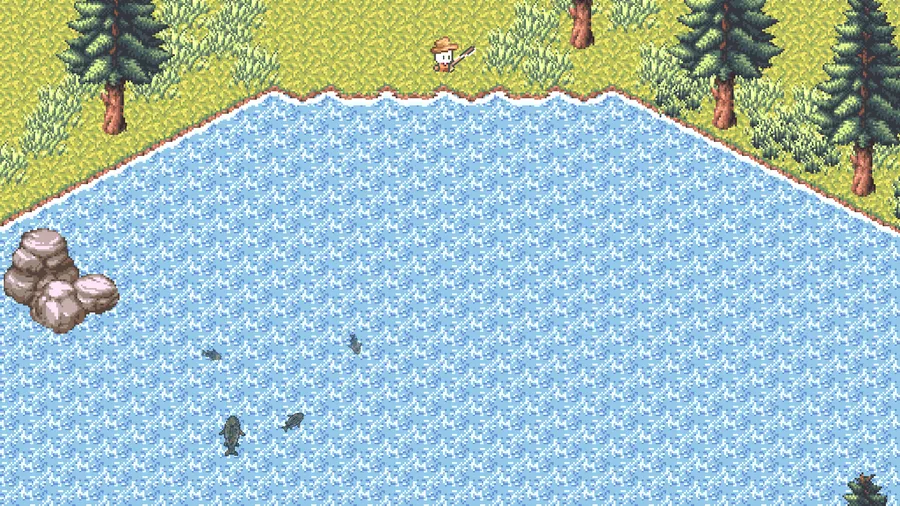
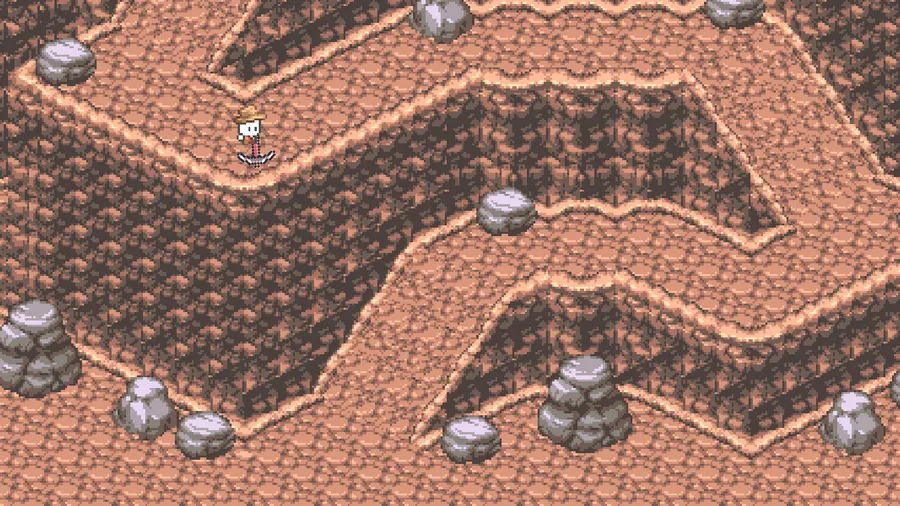
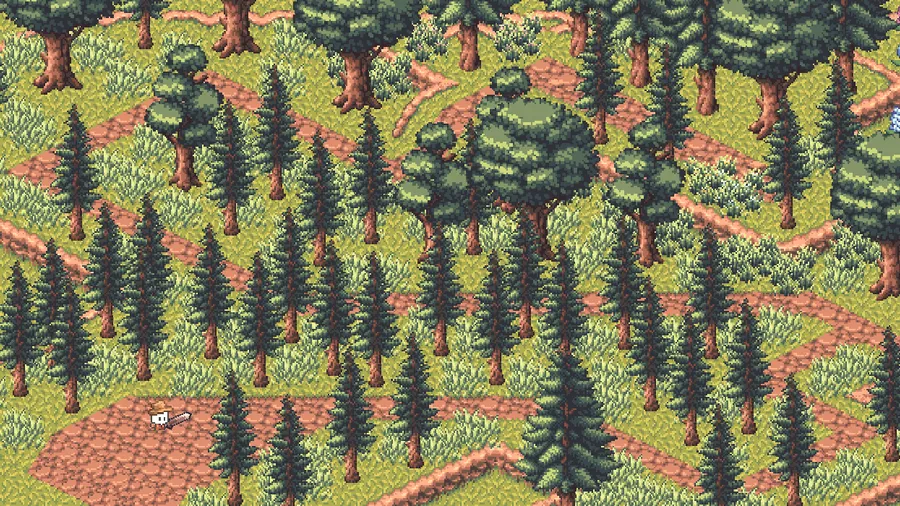
The Forest gave you wood. The Mine gave you stone. The Lake gave you food. The Village gives you something different — other people.
The Village Zone is live, placed deep in Ring 3 of the world, further from the outpost than anywhere you’ve explored before. It’s not a resource zone. It’s a settlement — a cluster of buildings that existed before the night began, and that still holds things worth finding.
A Zone You Have to Earn
Ring 1 — Forest and Mine — is survivable in the first few days. Ring 2 — Lake and Plains — asks more of you. Ring 3 is a longer journey. The Village sits at that distance deliberately. By the time you reach it, you should have gear, some days under your belt, and a reason to trade.
Its position in the ring is seeded like everything else — always in the right band of distance, never overlapping, always in a direction that makes the world feel continuous rather than packed.
Buildings You Can Actually Enter
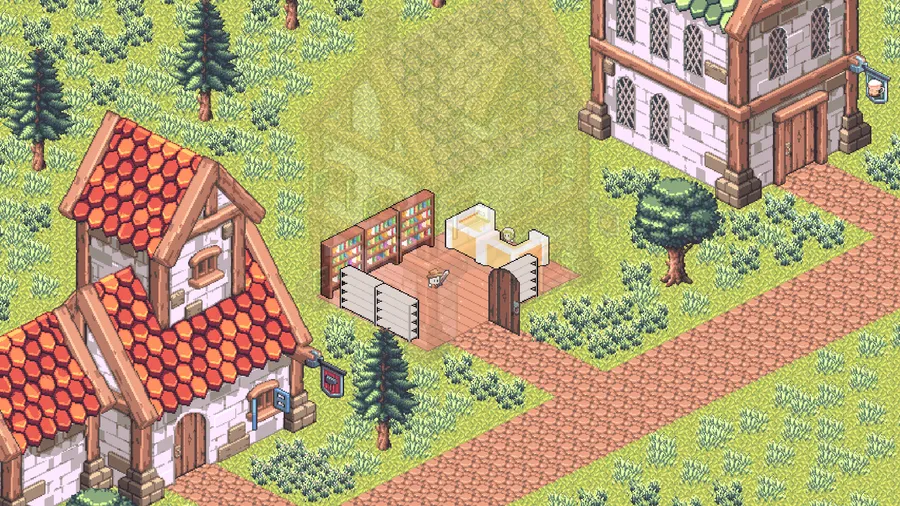
Every building in the Village has a door. Walk up to one and you’ll get a prompt — press to open, press again to close. Step inside and the roof fades to let you see. Step back out and it snaps back into place.
It’s a small thing, but it changes how the space feels. These aren’t backdrop buildings. They’re rooms. They have floors, furniture, shelves — things placed by someone who was here before you.
The y-sorting works correctly in both directions. Walk in front of a wall and you’re in front of it. Walk behind it and it layers over you. The illusion holds whether you’re inside or out.
Loot Worth Exploring
The interiors aren’t empty. Storage crates, bookshelves, chests — the kind of things that make searching a building feel worthwhile. The Village isn’t a resource zone, but it rewards players who take the time to go through every room rather than heading straight for the trader.
What you find inside depends on what the world has left behind. Not everything survives multiple nights.
The Trader
One of the buildings holds a merchant NPC. Walk in, get close, and a shop opens. The trader has a fixed stock of goods — seeds, raw materials, things that are slow to gather and worth buying if you’re in a hurry. You can also sell what you don’t need.
The currency is gold coins, a new item that drops from the world and can stack in your inventory. The shop shows you what you can afford in green and what’s out of reach in red. No guessing.
The buy panel lists the trader’s stock. The sell panel shows your inventory — everything you’re carrying — and lets you pick what to offload. Items the trader won’t buy are shown greyed out rather than hidden, so you always know where you stand.
What’s Next
The Village is the last of the handcrafted zones. The world now has a Forest, Mine, Lake, Plains, and Village — each placed by the seed, each different in what it asks of you and what it gives back.
Next is the World Loot System — persistent containers, placed drops, the things that make exploration feel rewarding beyond just the zones themselves.